Seasonality: what your florist can actually source
Peonies in February, tulips in August, garden roses on a Sunday. Why the answer depends on the airport, the date and the market — and how to brief around it.
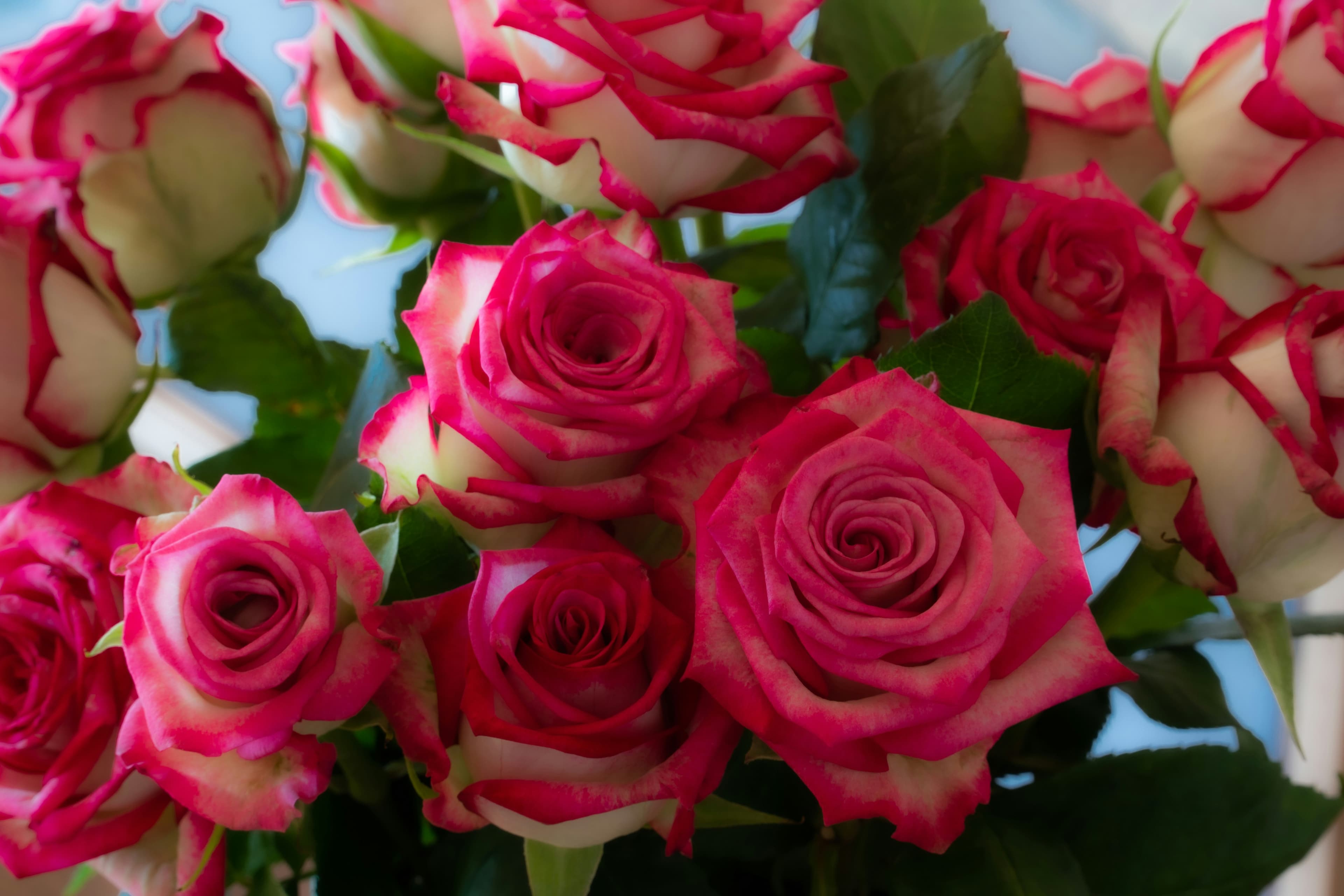
Every florist has the same conversation several times a year. Someone asks for peonies in February. Someone asks for tulips in August. Both requests are reasonable, both are occasionally possible, and both are far more expensive and far less reliable than the person asking expects.
The honest answer is not no. It is: it depends on where you are landing, when, and what the market can supply that morning.
Flowers are a local business, even at this level
There is a persistent assumption that a premium flower service is a warehouse. It is not. Every arrangement is made by a florist in the city you are flying into, from what that florist can source in that market, on that date.
Which means the answer to "can I have X" changes by airport. A market with a dense flower trade and daily wholesale access can find things that a smaller market cannot. A large city on a Wednesday morning is a different proposition from the same city on a Sunday afternoon, when the wholesale market is closed and the shop is working from what it already has.
None of this is a limitation to apologise for. It is what makes the arrangement good: it is made locally, fresh, that day, by someone who is physically there.
What "in season" actually means
Broadly, three categories:
In season locally. The best case. The flower is at its peak, widely available, at its best price, and at its longest vase life. It will look better in the cabin than the same flower forced out of season, and it will hold up better in dry air.
Available year-round. A number of the flowers most used in cabin work fall here — orchids, many roses, a range of structural varieties. They are grown for continuous supply and they are reliably obtainable in most serious markets. This is the backbone of cabin work for a reason.
Out of season, importable. Possible in the right market, with enough notice, at a price. It arrives by air freight, it costs what that implies, and its condition on arrival is not guaranteed in the way a local seasonal stem is. Ask for it if it matters. Do not ask for it casually.
The trap is assuming a request sits in the second category when it actually sits in the third.
Notice is the currency
Almost every seasonality problem is a notice problem in disguise.
With comfortable notice, our florist can order into the market, secure a specific variety, and confirm before you commit. With a day's notice, the answer collapses to what is in the shop and what the wholesaler happens to have.
So if there is a specific flower that genuinely matters — the one from the wedding, the one they always ask for — tell us as early as you can, even if the rest of the brief is unsettled. That single line changes what is achievable more than anything else you can send.
How to brief when you do not know
Most requests do not come with a variety in mind, and that is fine. The most useful brief in that case is not a list of flowers. It is a description of the effect.
Tell us:
- The palette, or the palette to avoid
- Whether it should read as personal or restrained
- Whether scent is welcome, unwelcome, or forbidden
- Whether the passenger has form — anything they have loved or refused before
- Where in the cabin it will sit
From that, our florist will propose what is genuinely at its best in that market on that date. That will almost always look better than an out-of-season stem sourced under pressure.
When we will push back
We will tell you when something is a bad idea. That includes:
- A flower that is technically available but will not survive the sector
- A variety that is achievable but only in a quality that would not do the aircraft justice
- A request that would arrive on the day in a condition nobody would be happy with
We would rather propose the version that works than accept the version that does not. That is the point of a quote rather than a checkout button: there is a conversation before anyone commits.
The practical rule
If you have a date, send it. If you have a flower in mind, send that too, early. If you do not, describe the effect and let the market decide the stems.
And if you are told that peonies in February are a bad idea at that airport on that date — they usually are.
More from the blog
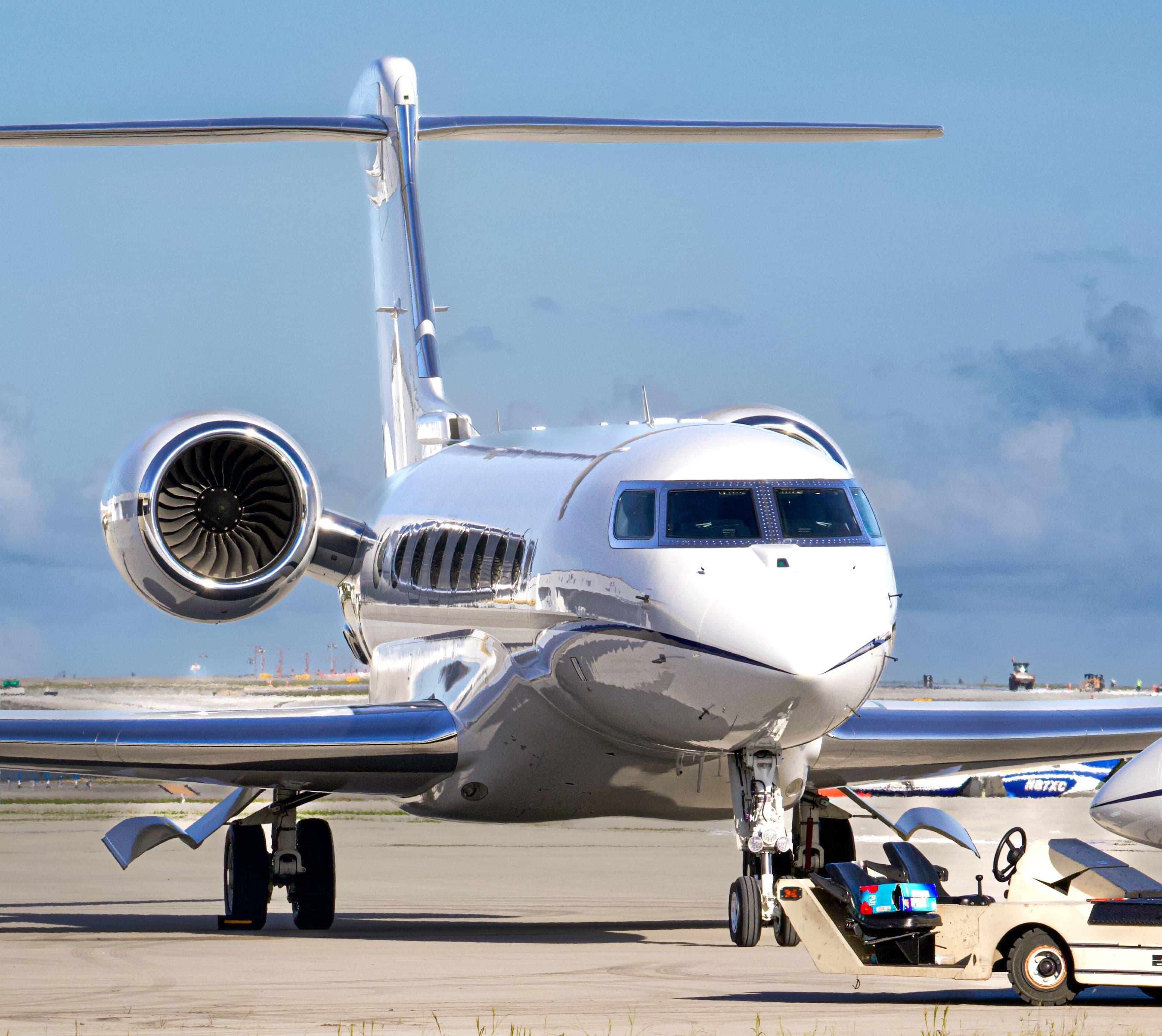
A charter broker's guide to adding flowers to a trip
You are not on the aircraft, you may never meet the passenger, and you are accountable if it goes wrong. How to add flowers to a client trip without adding risk.
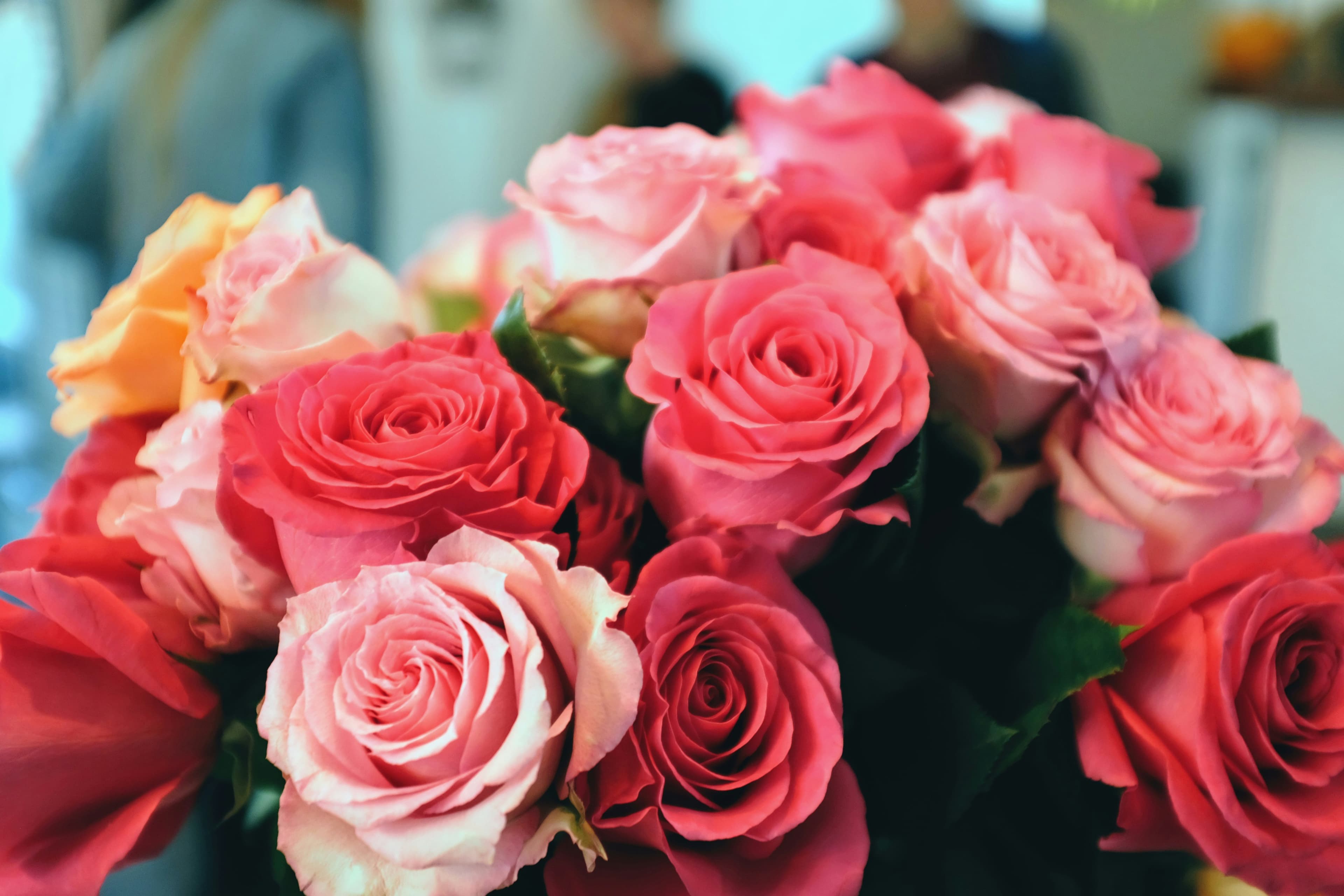
Cabin flowers for the occasions that matter
A birthday at 40,000 feet, a proposal on descent, a signing, a farewell. What changes about the flowers when the flight is the occasion — and what the crew needs to know in advance.

Flower delivery at the FBO: what your florist needs to know
FBO desk, planeside, or somewhere else entirely — each option involves different people and different access. Here is the brief that gets the flowers to the right place at the right time.