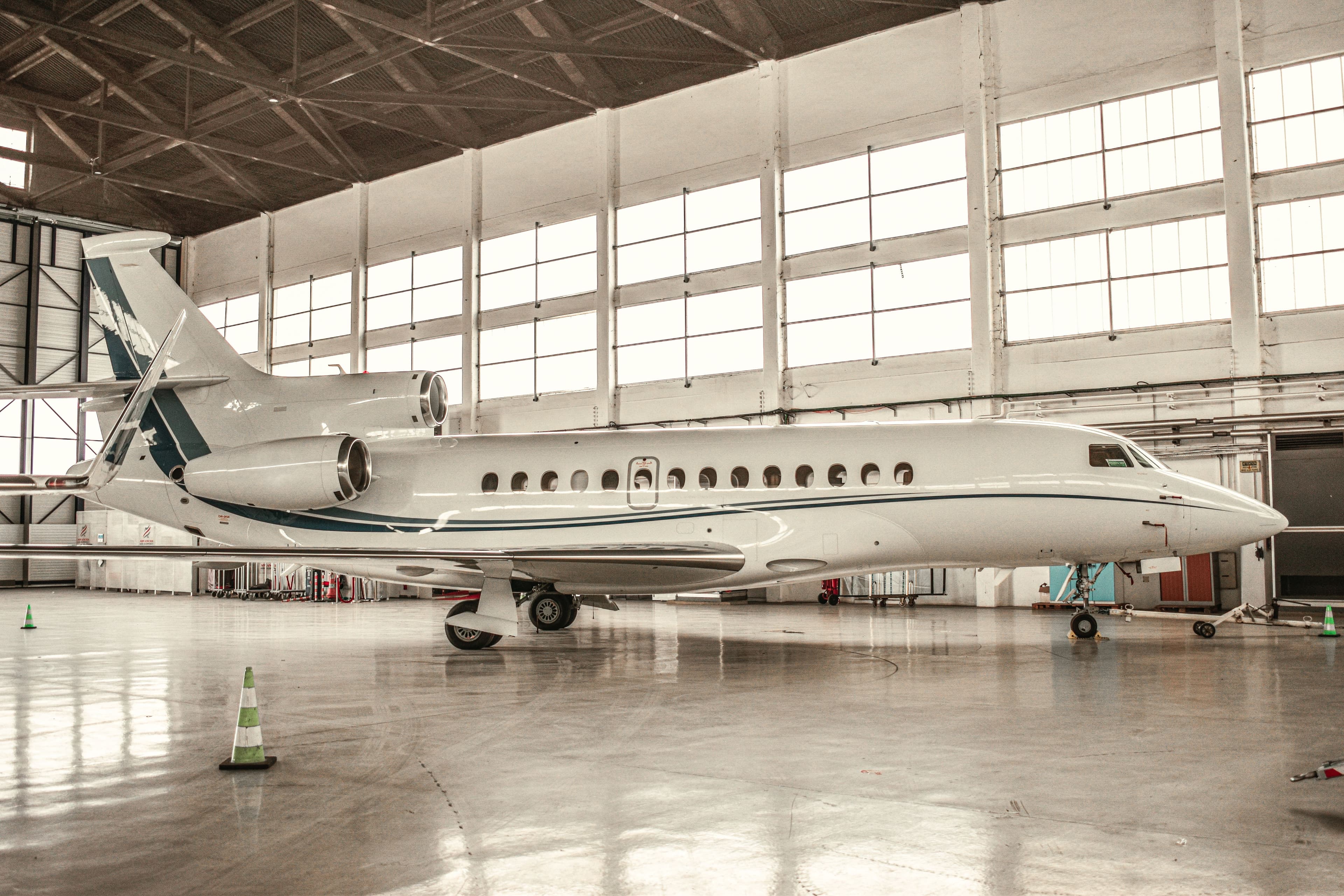
Choosing flowers that last in a private jet cabin
Dry pressurised air, tight sightlines and constant movement make the cabin a difficult room for flowers. Here is what survives it, what does not, and how the arrangement should be built.

A private jet cabin is a beautiful room and a hostile one. It is dry, it moves, it has almost no headroom, and it is looked at from eighteen inches away. Flowers that would sit happily on a hall table for a week can look tired in a cabin before the aircraft has even pushed back.
None of that is a reason to compromise on how the cabin looks. It is a reason to design for the room rather than against it.
The cabin is dry
Cabin air at altitude holds very little moisture. That is what makes long flights hard on skin, and it is what makes them hard on petals. Thin, delicate, high-surface-area blooms lose water quickly and show it immediately: edges curl, heads drop, and the arrangement stops looking fresh long before it stops being alive.
The flowers that hold up are the ones built to hold water. Waxy, structural, thick-petalled varieties tolerate dry air far better than soft, papery ones. Orchids are the obvious example and there is a reason they appear in so many cabins. Anthurium, hardier roses, and a number of tropical foliages behave the same way. Hydrangea, by contrast, is a beautiful flower that drinks constantly and punishes you the moment it cannot.
Our florist selects for this by default. If you ask for something that will not survive the sector, we will tell you, and we will propose the version of it that will.
The cabin moves
Taxi, climb, turbulence, descent. An arrangement in a cabin is not a static object, and anything that can tip, slide, roll or spill eventually will.
This is why cabin work is built low, wide and heavy at the base rather than tall and elegant. It is why the mechanics matter: the container has to be stable, the stems have to be fixed, and the water has to stay where it was put. A vase that would be fine in a hotel suite is a wet carpet and an unhappy passenger at 30,000 feet.
It also shapes where the arrangement can go. Galley surfaces, a credenza, a fixed table, a lavatory counter — each has its own footprint and its own securing options. If you know where in the cabin the flowers are meant to sit, tell us. It changes the build.
The cabin is low, and it is close
Sightlines in a cabin are unforgiving. An arrangement has to clear nothing and block nothing: not the aisle, not the view across the cabin, not the person opposite. Height is almost always the wrong answer.
And it is seen close up. On a dining table, a stem that is slightly past its best disappears into the whole. In a cabin, the passenger is close enough to see every edge. That raises the bar on the quality of the individual flower and lowers the tolerance for filler.
Fewer, better stems. That is the shape of good cabin work.
Scent is a decision, not an accident
This is the one to get right.
A cabin is a small, sealed, recirculating space. Fragrance that reads as luxurious in a large room becomes overwhelming in a cabin very quickly, and it stays there for the duration of the flight with nowhere to go. Add a long sector and a passenger who did not ask for it, and a generous arrangement becomes a genuine problem.
Our default for cabin work is therefore restrained scent unless you tell us otherwise. If the passenger loves a particular fragrance, we will build with it and say so. If anyone in the cabin has an allergy or a sensitivity, tell us in the brief and the selection changes accordingly.
Lilies deserve a specific mention. They are strongly scented, and their pollen stains fabric and leather permanently. Where they are used at all in a cabin, the anthers are removed. Where a cabin has pale upholstery, we will usually recommend against them entirely.
What to ask for, in practice
If you want a shortcut, this is it. For a cabin, ask for:
- Low profile, wide base, nothing that blocks a sightline
- Structural, waxy varieties over soft, papery ones
- A secure container and fixed stems, with water that cannot travel
- Restrained scent unless you have been told otherwise
- No pollen where it can reach fabric or leather
- Fewer stems of higher quality rather than volume
Then tell us the aircraft, the sector length, and where in the cabin it is going. Our florist will do the rest.
And when the flowers are not for the cabin
Not every order is a cabin arrangement. A bouquet handed to a passenger at the FBO, flowers waiting in the car, or an arrangement sent ahead to a suite are all normal requests, and none of them carry the cabin's constraints.
If the flowers are not going into the aircraft, say so. The design opens up considerably — height is available again, scent becomes a preference rather than a risk, and the range of what can be built widens.
The point is not that cabin flowers must be austere. It is that the room decides the arrangement. Tell our florist which room, and the arrangement will look as it should when it matters — with the passenger standing over it, in the light, at close range.
More from the blog
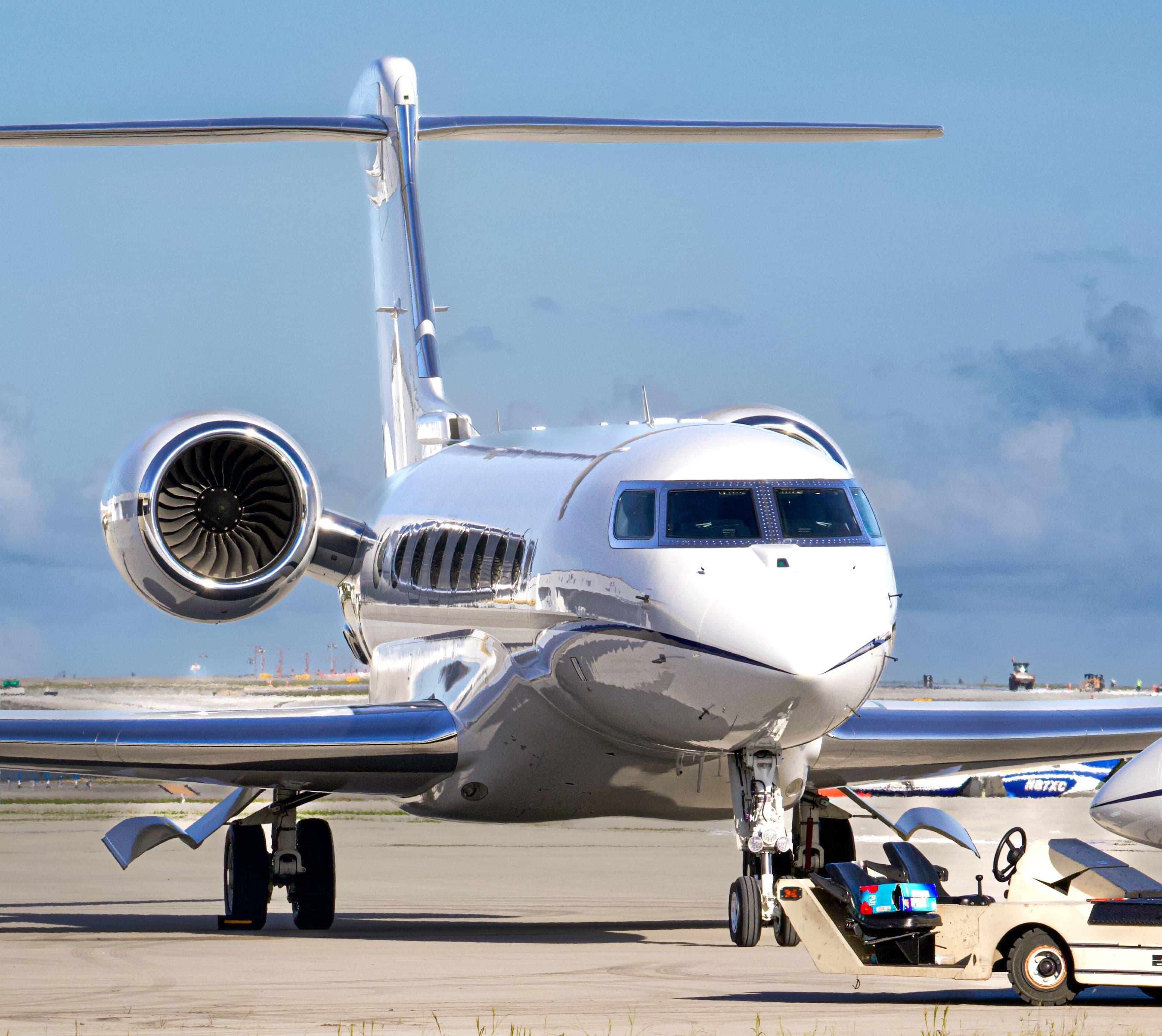
A charter broker's guide to adding flowers to a trip
You are not on the aircraft, you may never meet the passenger, and you are accountable if it goes wrong. How to add flowers to a client trip without adding risk.
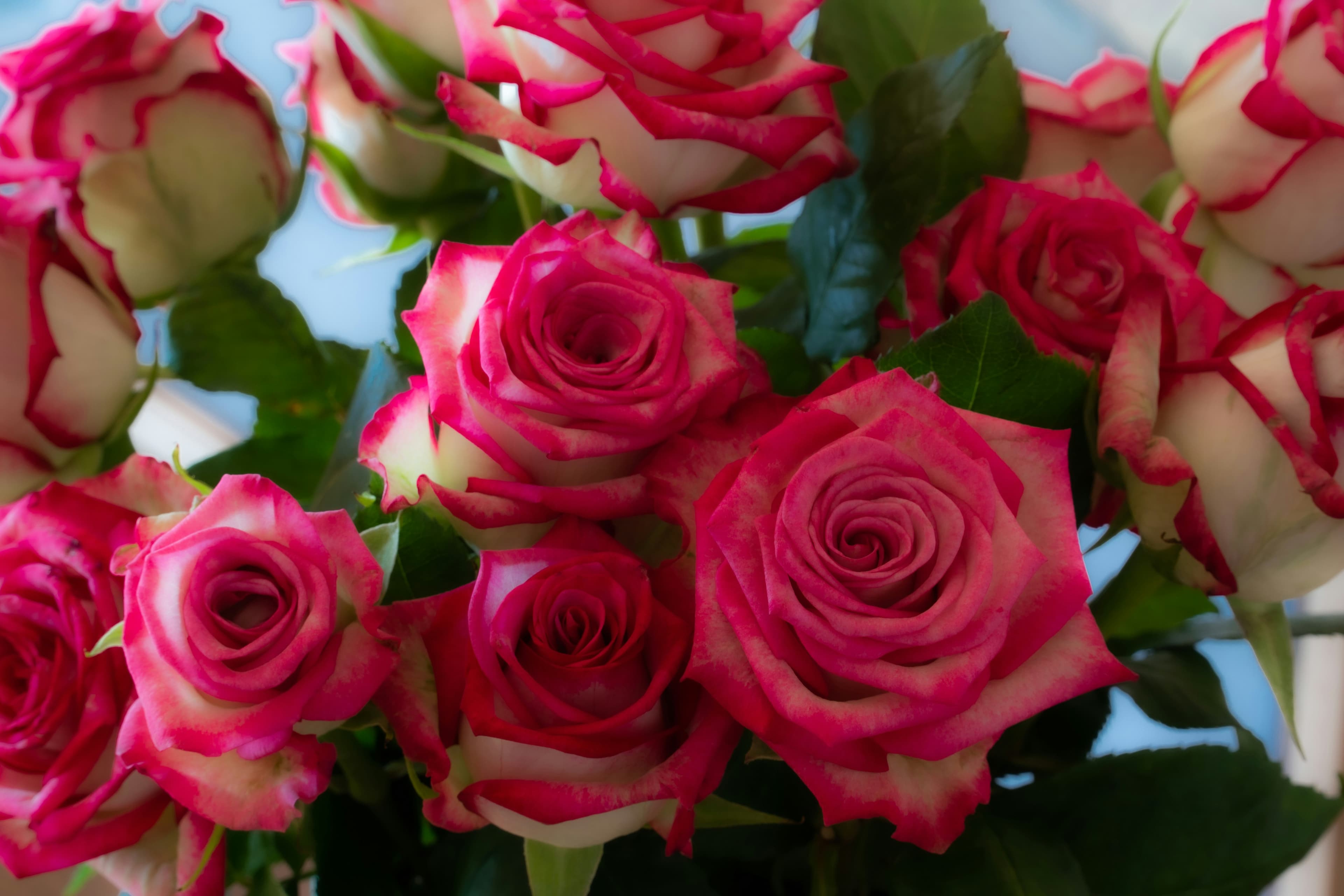
Seasonality: what your florist can actually source
Peonies in February, tulips in August, garden roses on a Sunday. Why the answer depends on the airport, the date and the market — and how to brief around it.
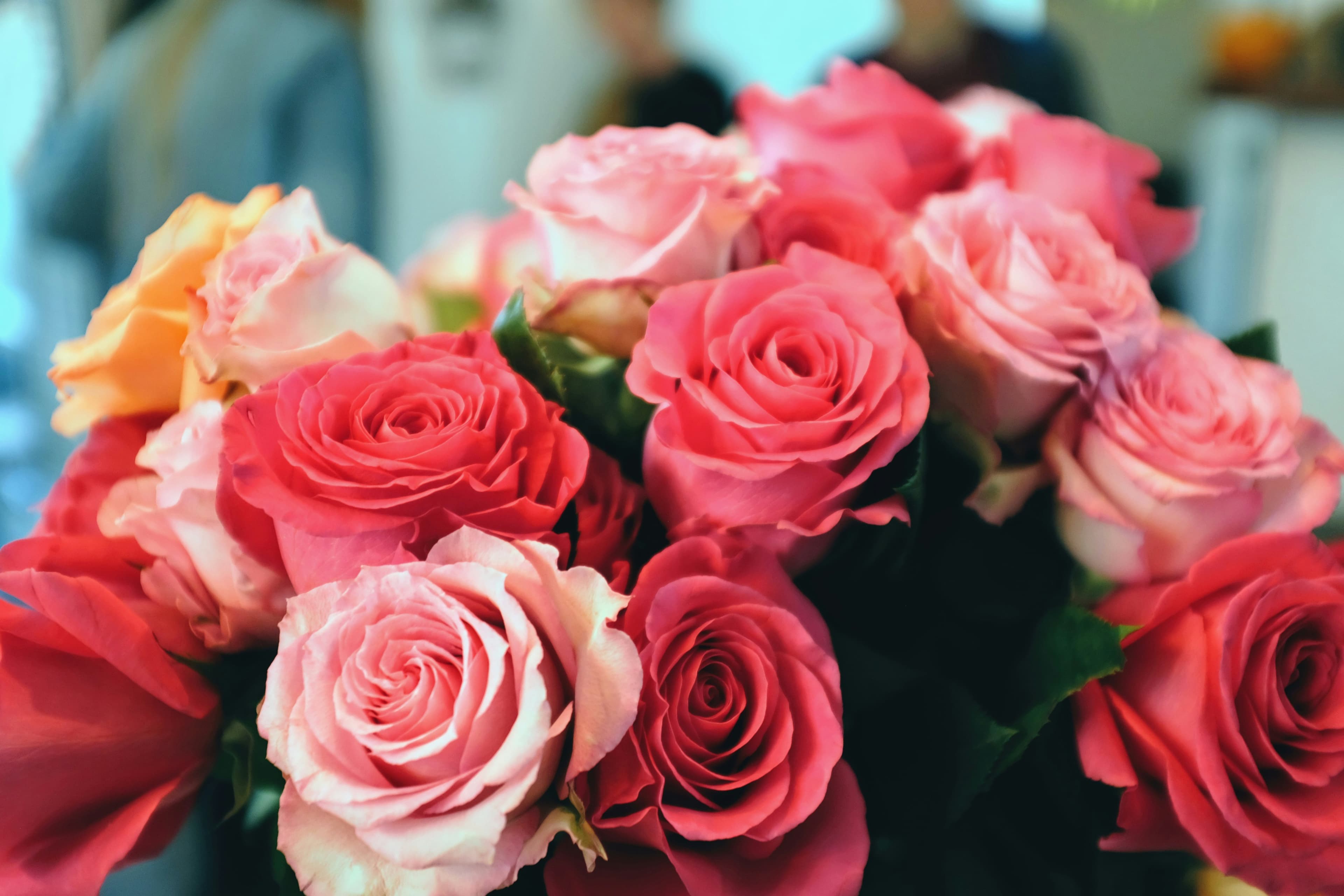
Cabin flowers for the occasions that matter
A birthday at 40,000 feet, a proposal on descent, a signing, a farewell. What changes about the flowers when the flight is the occasion — and what the crew needs to know in advance.