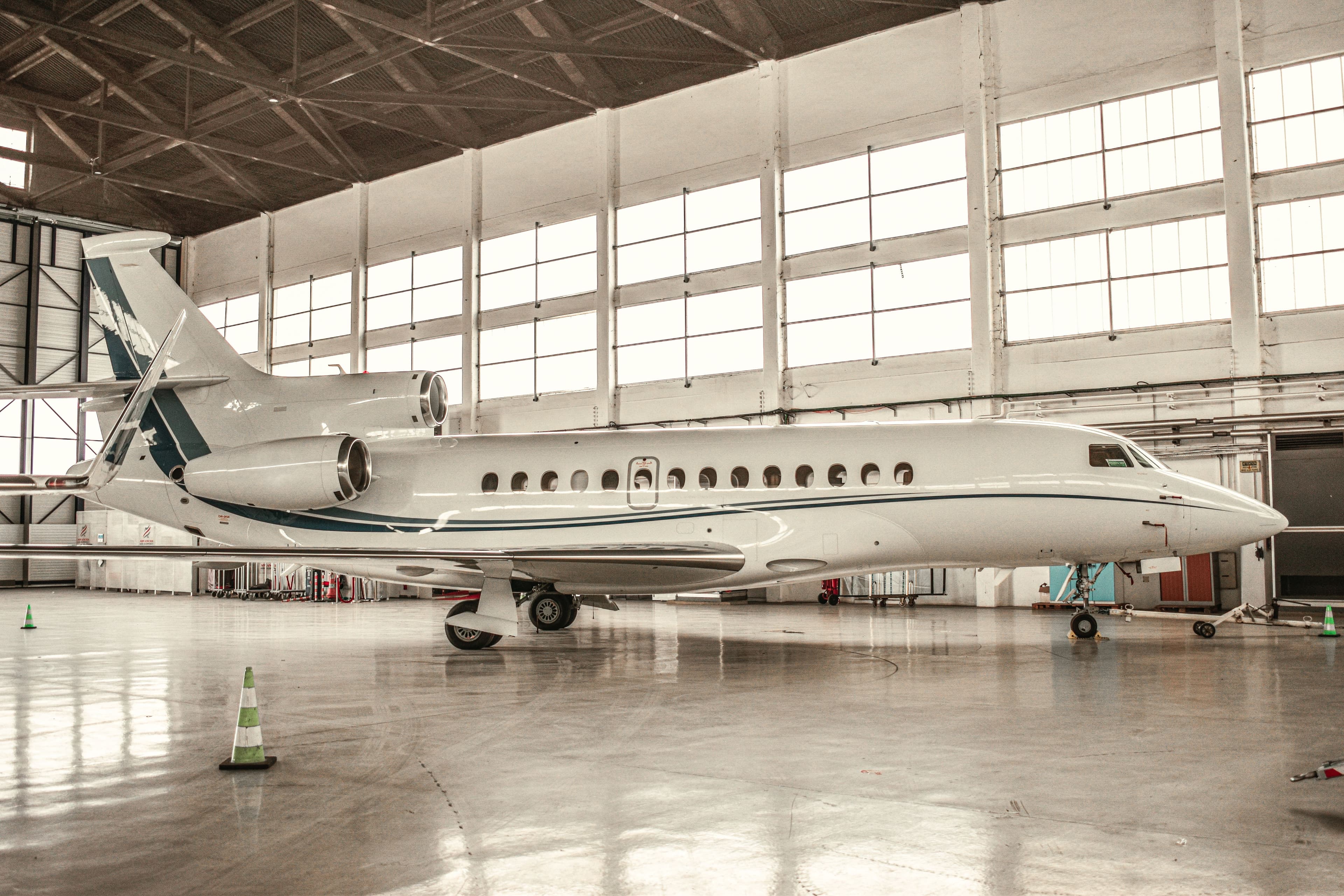
How to order flowers for a private jet cabin
A practical guide for flight attendants, cabin crew and brokers: what to tell your florist, where the flowers meet the aircraft, and how the request works from first message to delivery.

Ordering flowers for a private jet cabin is not the same as ordering flowers for a dining table. The aircraft moves, the schedule moves, and the person receiving the flowers may never see the vase they came in. Most of the work happens before a single stem is cut, and almost all of it comes down to the brief.
This guide is written for the people who actually place the order: VIP flight attendants, cabin crew, charter brokers, operators, and the assistants who look after an owner's aircraft.
Start with the flight, not the flowers
The first thing our florist needs is not a colour palette. It is the shape of the flight.
An arrangement for a short morning positioning leg is a different object from an arrangement that has to look immaculate at the end of a long sector with a full cabin. A departure at dawn from a quiet airfield and an arrival into a busy hub in the middle of the afternoon carry different constraints, and those constraints decide what can realistically be built.
So the useful opening message contains the aircraft, the airport, the date and the rough time. Everything else can follow.
Decide where the flowers meet the aircraft
This is the single detail that goes wrong most often, and it is entirely avoidable.
Flowers can be handed over at the FBO reception desk, brought planeside to the aircraft, or delivered somewhere else entirely — a hotel suite, a residence, an office, a car. Each of those is a different operation with a different set of people involved, and each needs a different level of notice.
At the FBO. The simplest option. The arrangement is left with the front desk against a name, a tail number, or both. Someone from the crew collects it. This works well when the crew is already on the ground with time in hand.
Planeside. The arrangement is brought to the aircraft itself. This is the cleanest experience for the passenger and the most demanding operationally: airside access, an escort, a handler, and a window of time that actually exists. It is very achievable, but it is not something to arrange casually an hour before a departure.
Somewhere else. A hotel, a private address, a boardroom, or the car that meets the aircraft. Say so early and give us the address, a contact and a time.
If you are not sure which of the three you want, say that too. It is a normal question and it takes one exchange to settle.
What our florist needs from you
A good brief is short. It is not a design document. In practice it contains:
- The airport, and the FBO if you already know it
- The date and the time window, with the time zone stated explicitly
- The delivery point: FBO desk, planeside, or another address
- The tail number, or a name the flowers can be left against
- A contact who will actually be reachable on the day — crew, ops, or handler
- The occasion, if there is one
- Any allergy or fragrance restriction in the cabin
- A card message, if you want one
Two of those deserve their own line.
Allergies and fragrance. If anyone in the cabin reacts to scent, tell us at the start rather than at the end. It changes the flower selection, not the presentation, and it is far easier to design around than to correct.
The card message. Send us the exact wording, exactly as it should appear, including the signature. We write what you send. We do not improve it, correct it, or interpret it.
How the request works
There is no checkout on this site and no online payment. Every order starts as a request.
You send the brief through the request form or by email. Our florist reviews what is possible at that airport, on that date, at that delivery point, and comes back with a quote and a proposal. You confirm, adjust, or decline. Nothing is committed until you say yes.
That model exists for a reason. Airports differ, seasons differ, and what a market can supply on a Tuesday in one city is not what it can supply on a Sunday in another. A fixed online catalogue would either promise something we cannot always deliver, or offer so little that it would be useless. A quote tells you what you are actually getting.
Give yourself time, and tell us when you cannot
More notice means more choice. That is the whole of it. With comfortable notice, our florist can source specific varieties, build to a brief, and coordinate access. With very little notice, the range narrows to what is already in the shop and what can physically reach the aircraft in time.
Short-notice requests are not a problem in themselves. Short-notice requests that arrive as a surprise are. If a passenger has just added flowers to a departure that is closer than you would like, send the request immediately and say plainly that it is tight. We will tell you straight away what is possible and what is not, rather than accepting a job we cannot land.
Discretion is part of the job
Crew are used to this and brokers doubly so, but it is worth stating. Passenger names, tail numbers, movements and the content of card messages stay between you and our florist. Nothing is published, nothing is used as marketing, and nothing is confirmed to a third party who calls to ask.
If you would rather the arrangement carried no branding of any kind, say so in the brief and it will carry none.
The short version
Send the flight before the flowers. Choose the delivery point early. Tell us about scent and allergies at the start. Send the card message exactly as it should read. Give as much notice as you honestly can, and be direct when you cannot.
Do that, and the flowers are the easy part.
More from the blog
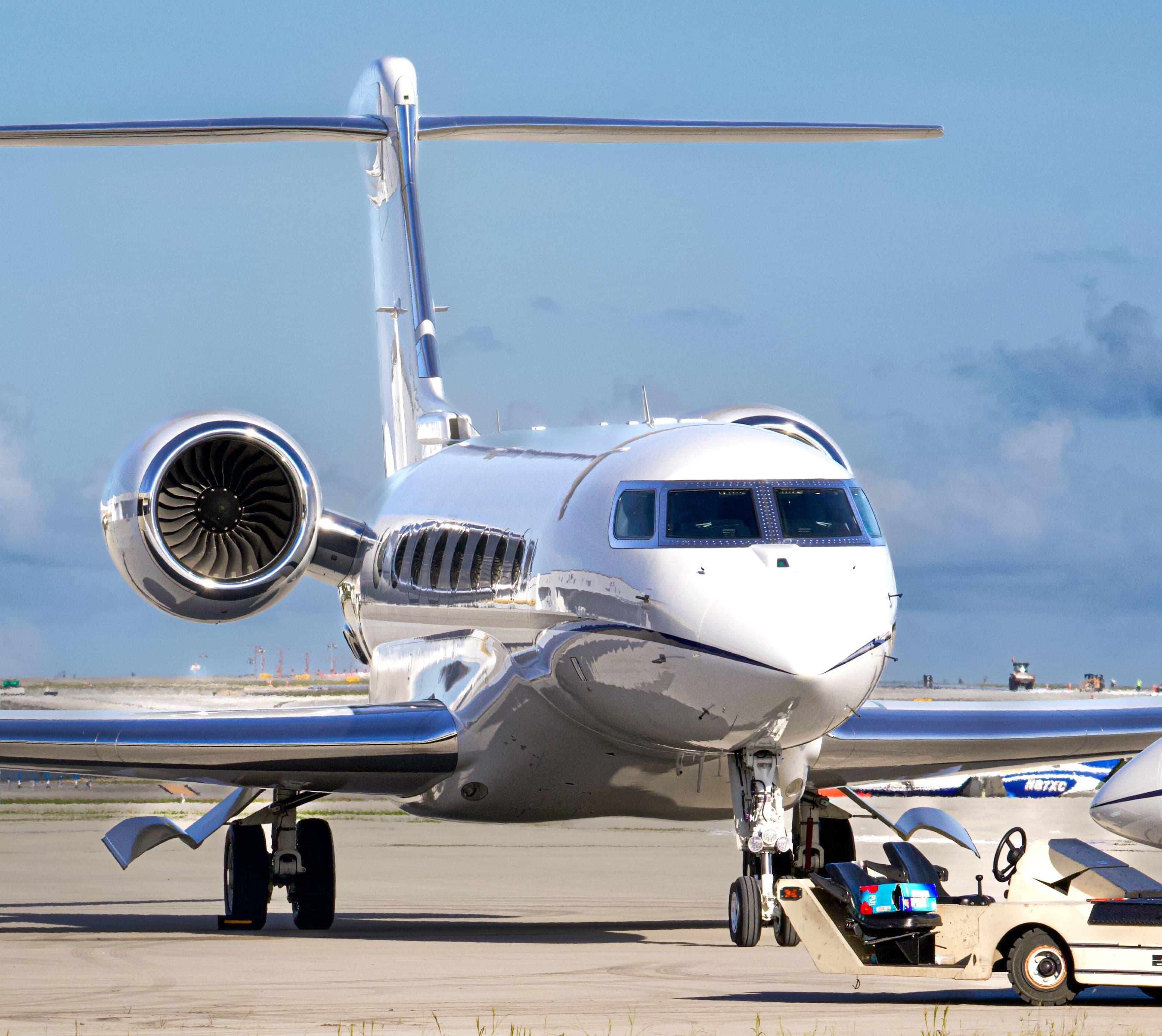
A charter broker's guide to adding flowers to a trip
You are not on the aircraft, you may never meet the passenger, and you are accountable if it goes wrong. How to add flowers to a client trip without adding risk.

Seasonality: what your florist can actually source
Peonies in February, tulips in August, garden roses on a Sunday. Why the answer depends on the airport, the date and the market — and how to brief around it.

Cabin flowers for the occasions that matter
A birthday at 40,000 feet, a proposal on descent, a signing, a farewell. What changes about the flowers when the flight is the occasion — and what the crew needs to know in advance.